How to Sell a Used Snow Blower Locally: Prep, Pricing and the Test Run
Selling a snow blower is easiest right before the first big storm. How to get it running, photograph it, set a fair price and handle the buyer's test run safely.
By Orbispin··7 min read
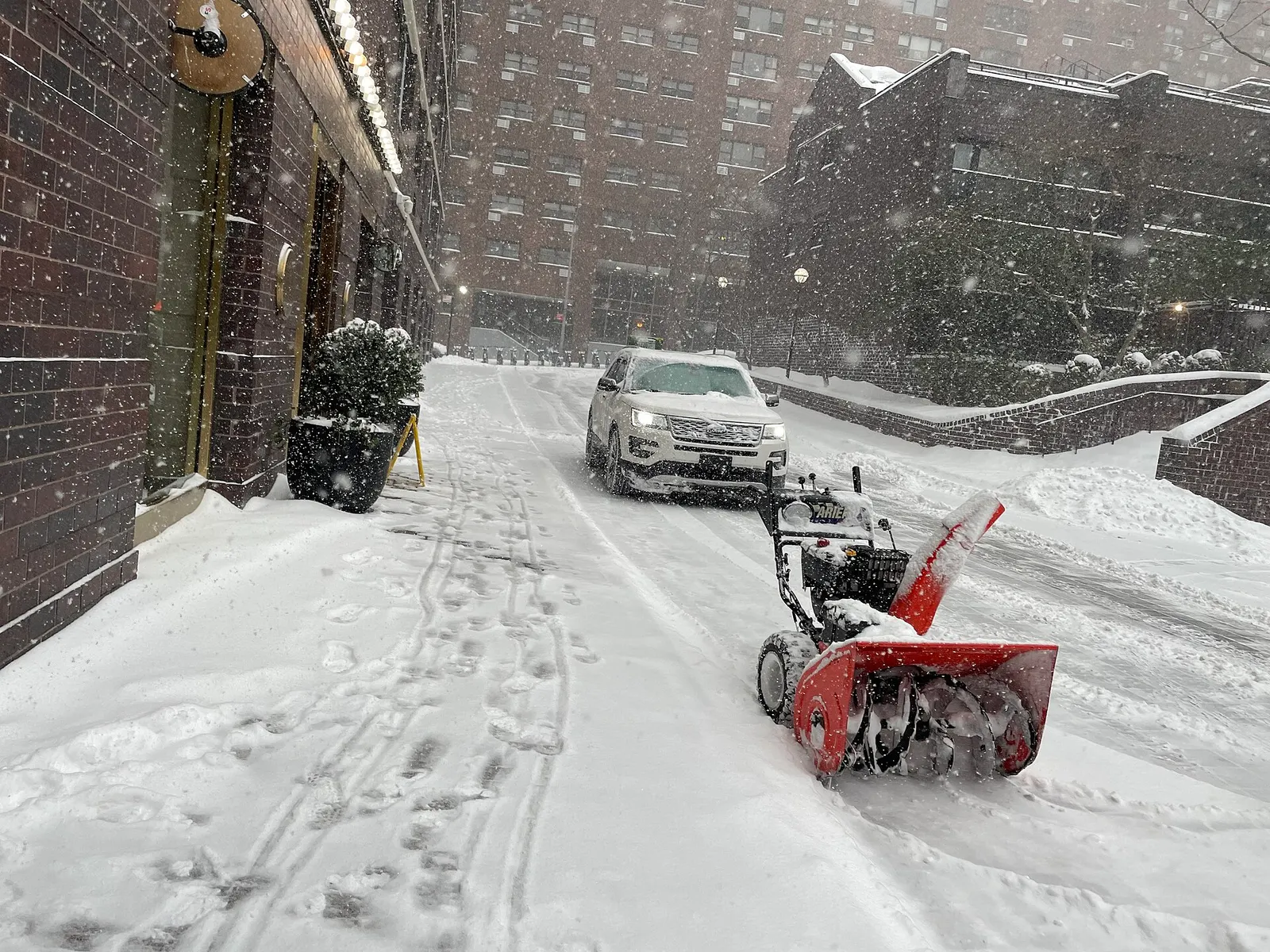
The best day to sell a snow blower is the day before the forecast calls for eight inches. The worst day is in April, when it's sitting behind the lawn mower with last winter's gas still in the tank. If you upgraded, moved to a condo or just got tired of the thing, the next few weeks are your window. Buyers are looking now, and most of them have read a checklist telling them exactly what to poke at.
Selling one well is mostly about getting ahead of those checks. A machine that starts on the second pull, comes with its model number and has a clean auger housing sells faster than a "ran last year" listing, and usually for more.
Get it running before you list it
Nothing kills a sale like a buyer standing in your driveway while you yank the cord twenty times. Start the machine yourself a few days before you post the ad.
Old fuel is the usual culprit. Honda's snow blower manuals list stale or old fuel among the causes when an engine won't start, and they say plainly never to use stale or contaminated gasoline. Toro's manuals say not to store fuel in the tank or in cans over the winter unless you've added a stabilizer. If your machine sat all summer with untreated gas, drain it and put in fresh fuel before you try anything else. Check your manual for the right fuel, too. Toro, for example, warns against blends with more than 10% ethanol, such as E15 or E85.
While you're at it:
- Check the oil level and color, and change it if it's dark or overdue
- Pull the spark plug and look at it; a new plug is cheap and removes one excuse
- Check tire pressure on wheeled models (flat tires look like neglect even when they're not)
- Run it for 10 to 15 minutes and let it warm up fully, then shut it off and restart it warm
- Engage the auger and, on two-stage machines, the drive in every gear, including reverse
If something doesn't work, you have two honest choices: fix it, or price it as a project and say so. Both are fine. Hiding it isn't, and a buyer who's done their homework will find a slipping drive belt or a seized chute crank in about two minutes.
Clean it, then look at it the way a buyer will
Hose off the salt and road grime and let it dry. Wipe the engine down. A clean machine doesn't run better, but it tells the buyer you looked after it, and it lets them see the metal.
Then do your own inspection. Look inside the auger housing for rust-through, cracked or bent auger paddles, and missing shear pins (on two-stage machines, these are the bolts designed to snap if the auger hits something hard). Check the scraper bar and skid shoes along the bottom; worn ones are normal, but mention it. Turn the chute through its full range and make sure the deflector at the top moves. Squeeze every control lever and make sure it springs back when you let go.
Any problem you find yourself is one you can describe on your own terms in the listing, which beats having it "discovered" in front of you.
Gather the paperwork and the details
Buyers want to look up parts and check for recalls, and they can't do that without the model and serial numbers. They're usually on a label or plate on the frame or the back of the housing, though the exact spot varies by brand and type. On Ariens single-stage machines, for example, the sticker is underneath, on the back of the auger housing. Take a clear photo of the label.
Find the manual if you still have it. If you don't, most manufacturers post them online by model number, and you can mention that in the ad. Receipts for a recent tune-up, a new belt or new skid shoes are worth including.
Also note the basics a buyer will ask about anyway: single-stage or two-stage, clearing width, engine size, electric start or pull only, and whether it has extras like heated grips, headlights or a drift cutter. Single-stage machines use the auger alone to throw snow, while two-stage machines add an impeller behind it, which matters to someone with a long driveway or a plow berm at the end of it.
Photos that answer questions
Shoot in daylight, outside, with the machine on a plain background. Six to eight photos is plenty:
- Front three-quarter view, the "hero" shot
- Straight into the auger housing, so the paddles and shear pins are visible
- The control panel and handles
- The engine side
- The bottom edge (scraper bar and skid shoes)
- The model and serial label
- Any damage you're disclosing, close up
A short video of a cold start helps more than any sentence you can write. If it starts on the first or second pull, show it.
Setting a price
There's no blue book for snow blowers, so your best guide is what's actually listed near you. Search your local listings for the same brand and similar size, and ignore the outliers on both ends. Then adjust honestly for age, condition and the season.
A few things move the number. Two-stage machines from well-known brands hold their value better than older single-stage ones. Electric start, recent maintenance and included extras (a cover, spare shear pins, the manual) add a little. Rust through the housing, a drive that slips, or a "needs carb work" note take a lot off, and you should price for that up front instead of waiting to be talked down.
Timing matters more than most sellers expect. Prices tend to be firmer in late fall and right after a storm, and softer in spring. If you need it gone by a certain date, price it to move. If you can wait, the first snowy week is your friend.
Put a firm price or "or best offer" in the ad, and decide your lowest number before anyone shows up. It's much easier to hold a line you drew in advance.
Writing the listing
Keep it plain and specific. A good listing reads something like: "Two-stage, 24-inch, electric start. Starts easily, all forward and reverse gears work. New spark plug and oil this month. Some surface rust on the housing, no holes. Shear pins and manual included." That's more useful than three lines about how reliable it's been.
State what you know and what you don't. "Haven't used the electric start in two years, pull start works" is fine. Say whether you'll take cash only or also accept an electronic payment, and whether the buyer needs to bring a truck. Most two-stage machines won't fit in a sedan, and buyers sometimes forget that until they're standing next to one.
The test run, done safely
Expect the buyer to want to start it cold. Some will ask you not to run it before they arrive so they can see a true cold start, and that's a reasonable request. Have fresh fuel in it and the oil topped up.
Snow blowers hurt people. A safety sheet from Beacon Mutual, citing the U.S. Consumer Product Safety Commission, puts the number at more than 4,000 emergency room injuries a year, and the most common cause is clearing a clogged chute by hand. So set a few ground rules for the demo:
- Run it outside, never in a closed garage
- Keep kids, pets and onlookers well back from the chute
- If it clogs, shut the engine off, wait for everything to stop, and use the clearing tool or a stick, never a hand
- Don't let anyone stick fingers near the auger "to see if it spins"
If you have actual snow, let the buyer throw some. If you don't, running it on bare pavement with the auger engaged is enough to show the drive and auger work; just keep the chute pointed away from cars, windows and people, because gravel comes out fast.
For your own safety, have the buyer come during daylight, keep the machine in the driveway rather than inviting them into the house, and have someone else home if you can. Count the cash before it goes in your pocket, and for electronic payments, wait until the money has actually landed before it leaves your driveway.
After the sale
Hand over the manual, any spare parts and the receipts. A short handwritten bill of sale with the date, price, model and serial number, and "sold as is" protects you both, and it takes two minutes. If you're keeping your fuel can, say so before the buyer assumes it's included.
And if it doesn't sell, don't panic. Store it with stabilized fuel or an empty tank, as your manual says, and list it again before next winter.
Selling it on Orbispin
Orbispin is free to use, and it's built for local sales like this one, where the buyer needs to come see the machine and haul it away. Post your snow blower under Tools or the broader For sale section, and browse what similar machines near you are listed for before you set your price. If you're clearing out the garage at the same time, a listing in Garage sales can bring in neighbors who want the shovels and salt spreader too. And if your machine is past saving, someone handy may happily take it off your hands through Free & swap for parts.