Renting in Winter: What to Check on a Cold-Weather Apartment or House Tour
Touring a rental in late fall or winter shows you things a summer viewing hides: drafts, weak heat, frozen pipes and who shovels the walk. Here's what to look for and ask before you sign.
By Orbispin··7 min read
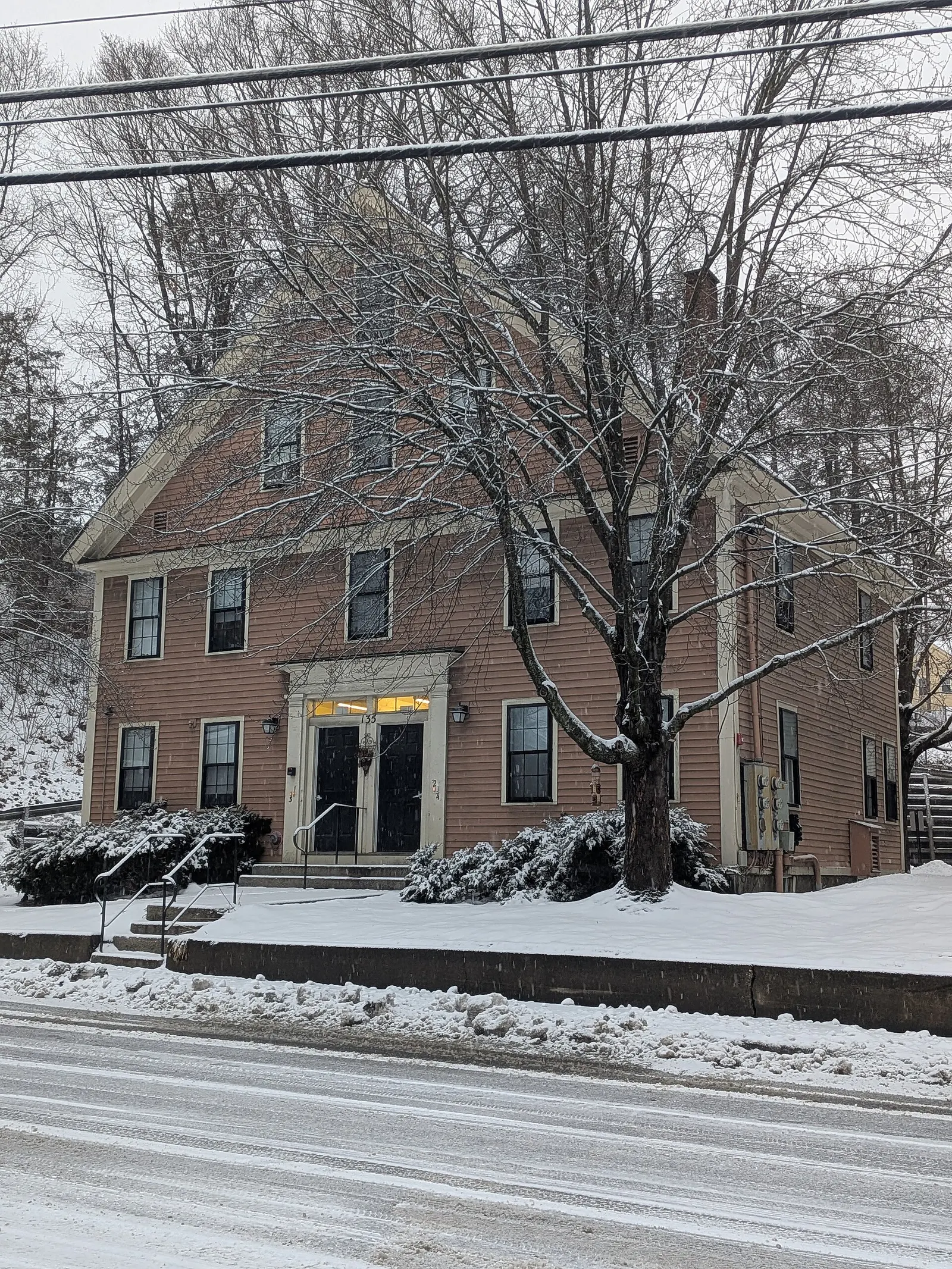
The best time to find out whether a bedroom is cold is when it's cold. A rental that looks great on a sunny June afternoon can turn into a place where you sleep in a hoodie and watch frost form on the inside of the window. If you're looking at apartments, houses or rooms between now and March, you have an advantage summer renters don't: you can see, feel and ask about the building under the conditions that cause the most trouble.
Winter is also usually a quieter time to move. Fewer people want to haul a couch through slush in January, so you may face less competition for a listing and have a little more room to ask questions or negotiate the move-in date. That's not a guarantee and it varies a lot by city, but it does mean you can slow down and look properly.
Book the tour for the right time of day
If you can, see the place in the early morning or after dark. That's when heating systems are working hardest and when you'll notice whether the radiators are knocking, the baseboards are lukewarm or the hallway smells like a space heater has been running all day.
Daylight viewings are fine for checking light and layout. Just try to come back, or at least stay long enough to stand in each room with your coat open for a few minutes. You'll learn more from that than from any listing description that says "cozy."
What to check inside
Bring your phone, a small flashlight and a willingness to look a little odd in front of the landlord.
- Hold the back of your hand near window frames, exterior doors and electrical outlets on outside walls. A steady cool draft means air is leaking in.
- Look for condensation, frost or black spotting on window sills and in the corners of closets on exterior walls. Persistent moisture often leads to mold.
- Turn the thermostat up a few degrees and see whether you hear the system kick on. Ask how long it takes to warm the unit.
- Check under the kitchen and bathroom sinks for water stains or warped cabinet bottoms, a common sign that pipes have leaked or frozen before.
- Run the hot water in the shower and time how long it takes to get hot. In older buildings with a shared boiler, that wait can be long in the morning rush.
- Look at the ceiling near the top-floor exterior walls. Brown rings can mean ice dams or roof leaks.
- Find the furnace filter or heating unit if it's in the unit and look at the service sticker, if there is one.
None of these is automatically a dealbreaker. An old window with a draft is something a landlord can weatherstrip in an afternoon. What you're looking for is whether the problem is known, whether it gets fixed, and how much it'll cost you to live with it in the meantime.
Ask who controls the heat, and who pays for it
This is the question people forget, and it matters more than the paint color. In some buildings the heat is included in rent and the landlord controls the boiler. In others you have your own furnace or electric baseboards and pay the bill yourself. A cheaper rent with tenant-paid electric heat in a drafty unit can end up costing more each month than a pricier place with heat included.
Ask the landlord or the current tenant what the gas or electric bills ran last January and February. Many utility companies can also give past usage for an address, though the rules on that differ by provider and location, so ask your local utility what's available. If the landlord shrugs and says "it's not bad," push a little for a real number.
If heat is supplied by the building, ask what temperature it's set to and who to call when it fails at 11 pm on a Sunday. A phone number for a property manager who answers is worth a lot in February.
Know your local heat rules
Many cities and some states set minimum indoor temperatures that landlords must maintain during the cold months, but the details vary widely. New York City is a well-known example: its heat season runs from October 1 through May 31, and apartments must be kept at 68 degrees during the day when it's below 55 outside, and at 62 degrees overnight regardless of the outdoor temperature. Other places have different numbers and dates, and some have no specific rule at all beyond general habitability requirements.
Before you sign, search your city or county's housing or code enforcement page for "minimum heat requirements" or "heat ordinance," or call 311 if your city has it. It takes five minutes and tells you what you can actually expect if the heat goes out.
Outside the unit: snow, ice and pipes
Walk around the building, not just through the unit. In snowy places, the practical question is who clears what. Lease language should say who shovels the sidewalk, the driveway, the steps and the parking spot, and who salts. In a house rental, tenants are often responsible for some or all of it. In an apartment complex, it's usually management, but "usually" isn't a lease clause.
Ask these before you sign:
- Who clears snow and ice, and by what time in the morning?
- Where do cars go during plows or snow emergencies?
- Is there an outdoor faucet, and who shuts it off and drains it for winter?
- What should you do with the heat if you leave for the holidays? Some leases require you to keep it at a minimum setting to protect the pipes.
- Has the building had a frozen or burst pipe in the past few winters, and what was done about it?
That last one is relevant well beyond the snow belt. Places that rarely freeze, like Austin and much of Texas, can be hit harder when they do, because buildings there often aren't designed for long cold snaps. Many Texans still remember the February 2021 freeze and the burst pipes that followed. If you're renting in a warm-weather city, ask whether exposed pipes are insulated and whether the landlord has a plan for hard freezes, such as dripping faucets or opening cabinet doors.
Renting a room in a shared house
Rooms in shared homes bring their own winter quirks. The thermostat becomes a negotiation. Before you agree to move in, ask the current housemates what the house is usually set to, how utility bills are split, and whether anyone runs space heaters in their room. Ten minutes of this conversation can save months of passive-aggressive notes on the fridge.
Look at your specific room, too. Corner rooms and rooms over a garage tend to run colder. If the room has its own exterior door or an old window unit, check them for drafts the same way you would in a full apartment.
Commercial space in winter
If you're touring a shop, studio or small office, the same logic applies with higher stakes. Ask who maintains the HVAC system and who pays for repairs, because commercial leases often shift that onto the tenant. Check whether the front entrance turns into an ice rink when customers come in, and who's responsible for clearing it. A space that's freezing near the door in January will cost you in heating bills and in customers who don't linger.
Get it in writing before you sign
Anything the landlord promises to fix (weatherstripping, a new filter, insulating a pipe) should go into the lease or a signed addendum with a date. On move-in day, take dated photos of window sills, ceilings and the areas under sinks. If a leak or mold problem shows up later, you'll want proof it wasn't there, or was, when you arrived.
And keep the landlord's emergency contact somewhere other than your phone. The night the power goes out is not the night you want to discover your battery is at 4 percent.
Finding a winter rental on Orbispin
Orbispin lists rentals posted by local landlords and neighbors, so you can often message the person who actually knows the building and ask about heating bills and snow removal before you visit. Browse by the kind of place you need:
If you're a landlord, it helps to say up front whether heat is included, who handles snow and what last winter's utility bills looked like. Renters who get those answers in the listing tend to show up for the tour already serious.